If you are considering buying a property in Cannock, there is one topic that deserves particular attention: subsidence. More than in many parts of the UK, the Cannock area has a history of coal mining that means ground instability is a genuine concern for local property buyers. As someone who has surveyed properties in this area for over two decades, I'll explain exactly what you need to know.
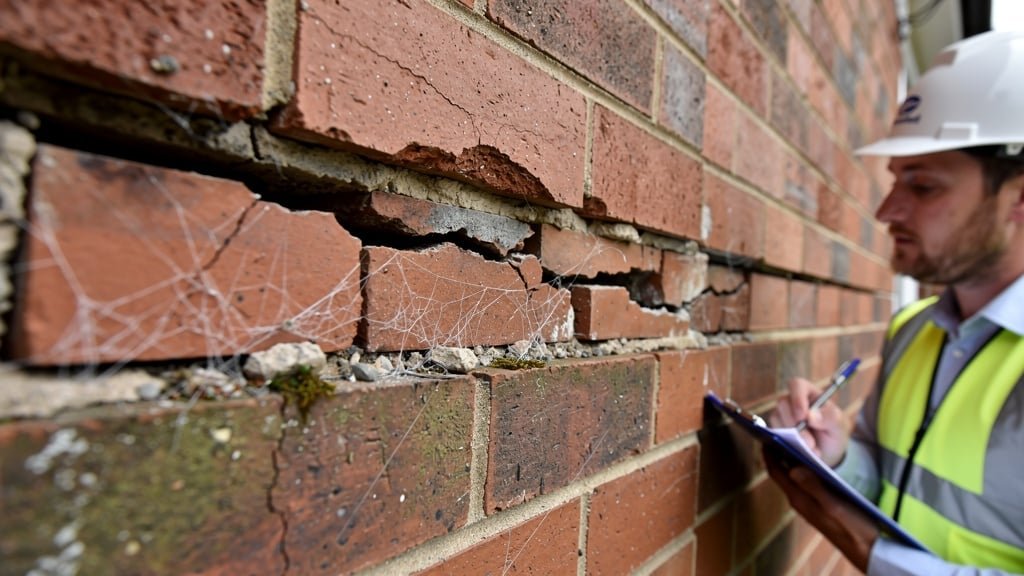
What Is Subsidence?
Subsidence occurs when the ground beneath a property sinks, causing the building's foundations to move. This movement can crack walls, cause doors and windows to stick or distort, and in severe cases compromise the structural integrity of a building.
There are several causes of subsidence in UK properties:
- Mining subsidence: The collapse or compression of historic mine workings beneath the surface. Particularly relevant in Cannock and surrounding areas including Hednesford, Norton Canes and Burntwood.
- Clay shrinkage: Many parts of Staffordshire have clay subsoils that shrink in dry weather and expand when wet, causing foundation movement.
- Tree root action: Roots from large trees can extract moisture from the soil, causing clay shrinkage under foundations.
- Leaking drains: Water from leaking underground pipes softens and erodes soil beneath foundations.
- Poor construction: Shallow or inadequate foundations, particularly in Victorian and Edwardian properties.
Cannock's Mining Legacy — Why It Matters
The Cannock Chase Coalfield was one of the most productive in the English Midlands, operating from the late 18th century well into the 20th. The last colliery in the area closed in 1990, but the legacy of those workings remains. Thousands of residential properties across Cannock, Hednesford, Norton Canes, Wimblebury and parts of Burntwood sit above historic mine workings.
Historic mining can cause a specific type of subsidence — often characterised by gradual, widespread settlement rather than the localised cracking associated with tree root action. In some cases, old workings close to the surface can collapse suddenly, causing more dramatic damage. The Coal Authority maintains records of historic workings that can be searched through a Coal Mining Search, which your solicitor should obtain during conveyancing.
If your solicitor has obtained a Coal Mining Search showing that the property is within an area of recorded workings, this should be flagged to your surveyor, and a Level 3 building survey rather than a Level 2 would be strongly recommended.
Signs of Subsidence to Look for in a Property
Not all cracks in a property indicate subsidence — buildings move slightly all the time with thermal expansion and normal settlement. Here's how to tell the difference between normal cracking and something more concerning:
Warning Signs:
- Diagonal cracks: Diagonal cracks running from the corner of a window or door opening are often associated with differential movement and can indicate subsidence. The wider the crack, the more serious.
- Cracks wider at the top than the bottom: This classic pattern suggests that one side of the building has moved more than the other — a key indicator of subsidence.
- Cracks that have been filled and reappeared: If you see cracks that have clearly been repaired before but have opened again, this suggests ongoing movement rather than historic settlement.
- Sticking doors and windows: When the building moves, door and window frames distort. If multiple doors or windows are sticking in one part of the building, movement in the structure may be the cause.
- Leaning chimney stacks or bay windows: These elements are often the first to show signs of differential movement.
- Gaps around extensions: A gap opening between an extension and the main building often indicates differential movement between the two.
Reassuring Signs:
- Hairline cracks in plaster or render (especially on recently dried-out new plaster)
- Horizontal cracks in older lime mortar — often just old age and thermal movement
- Very fine vertical cracks through brick courses — often thermal movement
What Happens When Subsidence Is Found in a Survey?
Finding evidence of movement in a property survey is not necessarily a deal-breaker. The key is understanding the cause and current activity of the movement. Our surveyor will assess whether the cracking suggests:
- Historical movement that has now stabilised (common and often insurable)
- Ongoing active movement that requires investigation and remediation
- Potential mining or ground instability that needs specialist investigation
Where movement appears active or the cause is unclear, we will recommend a structural engineer's report. This is an additional cost, but it is essential to understand what you are dealing with before proceeding.
Insurance Considerations
Subsidence significantly affects building insurance. Properties with a known history of subsidence may be difficult or expensive to insure, and you should always check the insurance implications before proceeding. Your solicitor's search results and your surveyor's report will help inform this discussion.
Our Advice for Cannock Property Buyers
If you are buying a property in Cannock, Hednesford, Norton Canes, Burntwood or any other area with a mining heritage, please don't skip the survey. A Level 3 building survey from one of our locally experienced surveyors will give you the information you need to proceed with confidence — or protect you from a very costly mistake.